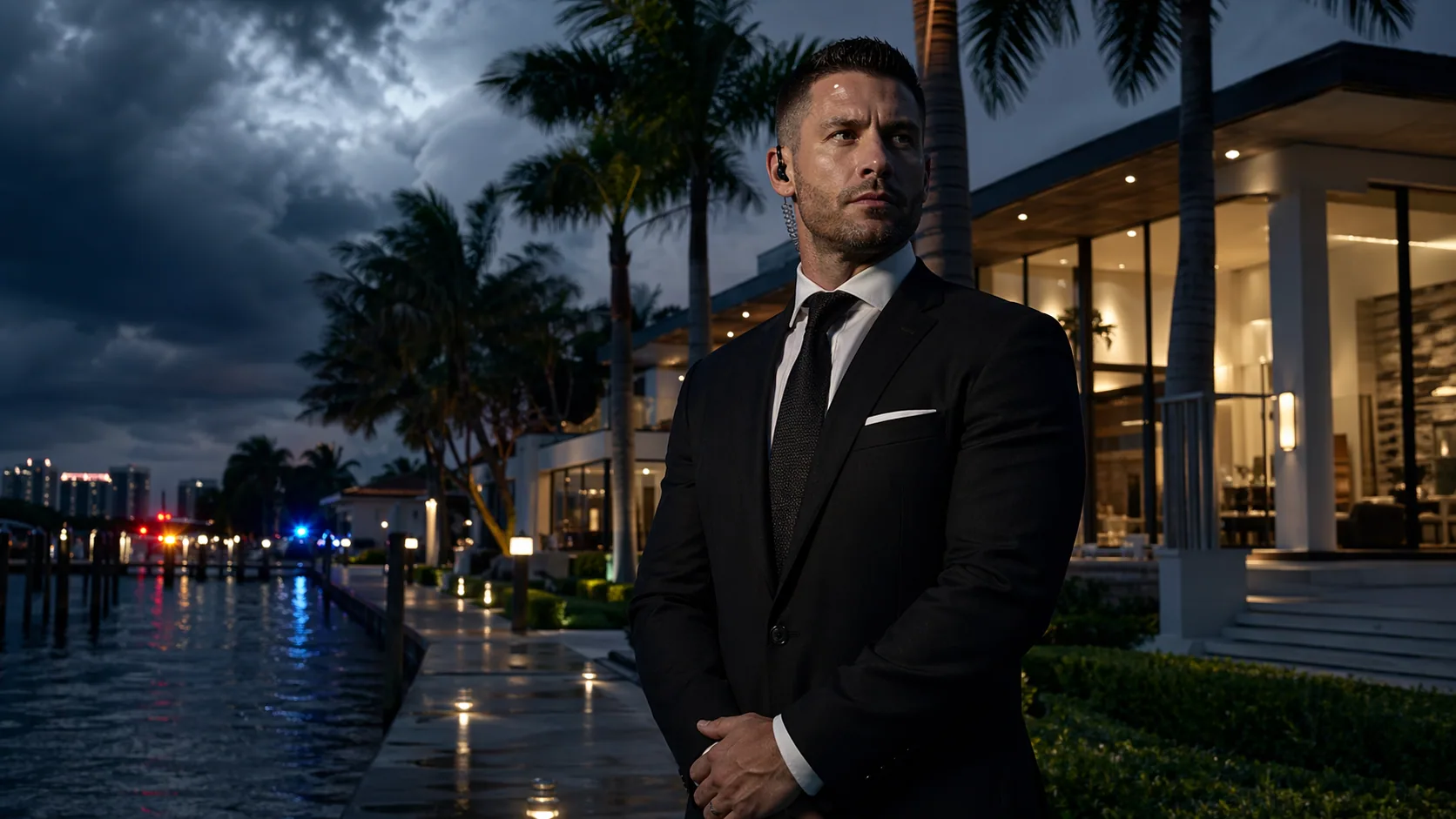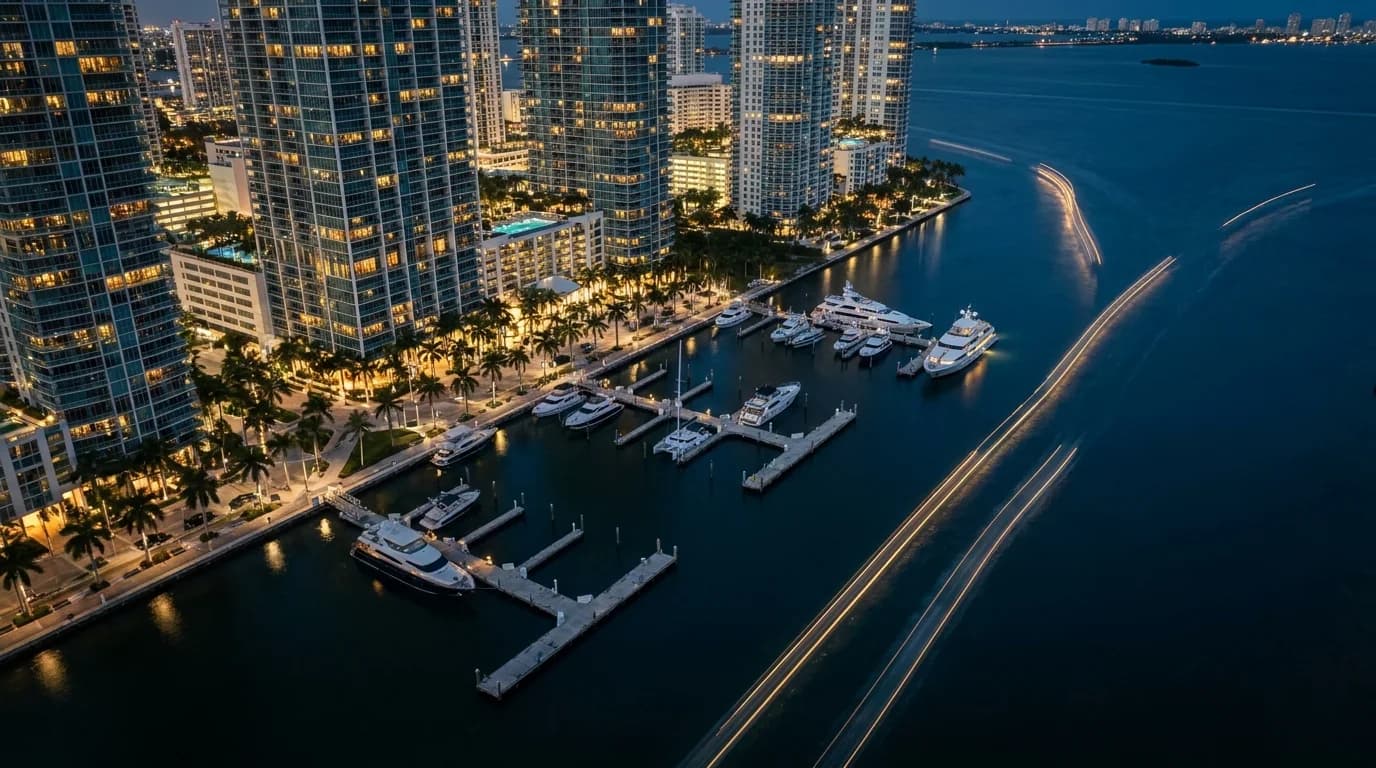
- A handful of weeks each year, Miami's population, hotel occupancy, and venue traffic surge well beyond normal capacity.
- Boat show week and the major international art fair week are the two most significant.
- Both compress high-net-worth visibility into a short window, straining transportation and hospitality resources that function normally the rest of the year.
Table of Contents
Most of the year, Miami's hospitality and transportation infrastructure comfortably handles the city's normal flow of business and leisure travel. A handful of weeks break that pattern entirely, when the city's population, hotel occupancy, and event density surge well past what the rest of the calendar looks like, and the same city that felt manageable in March can feel like an entirely different operating environment during one of these specific weeks.
Why Are Certain Weeks In Miami A Distinct Security Concern?
Surge events compress an unusual concentration of wealth, public visibility, and unfamiliar foot traffic into a short window, straining infrastructure that functions normally the rest of the year. Hotels sell out, transportation demand outpaces supply, and normally quiet neighborhoods see event-level crowd density for a period of days. None of that is dangerous by itself, but it changes the baseline conditions any security plan has to account for, and it changes them everywhere at once rather than at a single contained venue.
The concentration of unfamiliar people in a small number of neighborhoods is itself a factor worth naming directly. A protective team's situational awareness depends heavily on pattern recognition, noticing who does not fit the normal rhythm of a place. During a surge week, the normal rhythm of Brickell, Miami Beach, or the Design District is itself temporarily replaced by an unusual one, and a team working the city for the first time during one of these weeks has no baseline to compare against. That is a meaningfully harder environment to read than the same neighborhood on an ordinary Tuesday.
What Makes Boat Show Week A Distinct Planning Problem?
Boat show week draws an extremely high concentration of high-net-worth visitors and vessels into a compact geographic footprint, with marina and waterfront areas seeing foot traffic far denser than a normal week. The same marina security considerations that apply on an ordinary day, dock access, crew and vendor vetting, become significantly harder to manage when the surrounding area is filled with public visitors, vendors, and event staff who would not normally be present. A dock gate that quietly relies on staff recognizing regular slip holders by sight stops working as intended the moment hundreds of unfamiliar people are moving through the same area over a period of days.
How Does Art Week Change The Security Picture?
Miami's major international art fair week fills hotels, private events, and pop-up venues simultaneously across the city, with high-value art and high-profile attendees moving between locations that were not built to handle that concentration of traffic. Private events during this week are numerous, often loosely secured, and frequently held at venues without the venue's own dedicated security infrastructure, unlike a purpose-built convention center.
The private event calendar during art week deserves particular attention because so much of it runs on informal access. A private gathering in a temporary gallery space, a warehouse, or a residence converted for the week rarely has the credentialing discipline of a hotel or an established venue, and guest lists at these events are often looser than the hosts would admit, expanded by plus-ones and referrals in the days leading up to the event itself. That informality is part of what makes the week socially appealing, and it is also exactly the condition that makes it easier for someone to talk their way into a room they were never actually invited to.
What Do These Two Weeks Have In Common?
Boat show week and art week sit at different times of year and draw different crowds, but they create the same underlying planning problem: a short, predictable window where the city's normal capacity is temporarily overwhelmed, and where high-net-worth visibility concentrates around a small number of venues and neighborhoods everyone already knows to watch. Treating both as calendar events that deserve their own dedicated planning cycle, rather than reacting to the crowding once it has already arrived, is the difference that shows up in how smoothly the week actually goes.
Both weeks also strain the supply of qualified protective personnel, not just hotel rooms and rideshares. Demand for licensed, experienced operators spikes across the city at the same time everyone else is trying to book them, and firms without standing local relationships or a bench of vetted agents often find themselves scrambling for coverage exactly when clients need it most. This is one more reason booking early matters: it is not only about securing a hotel room, it is about securing the protective coverage itself before every other firm in the city is drawing from the same limited pool.
What Should Change About Planning During Surge Weeks?
Book hotels well in advance, and consider properties outside the most concentrated zones. Availability drops sharply and prices rise, but the bigger issue is exposure at properties functioning as informal event hubs.
Plan ground transportation ahead of time. Rideshare and taxi availability drop while demand spikes, and vetted, pre-arranged transportation becomes significantly more valuable than usual.
Build extra time into every movement. Traffic congestion around major venues during surge weeks extends drive times well beyond normal estimates.
Vet private event venues individually. Pop-up and temporary event spaces rarely have the security infrastructure of an established venue, and an advance should treat them accordingly.
What Mistakes Do First-Time Visitors Actually Make During These Weeks?
The most common mistake is not a planning failure so much as a scale failure: applying a normal Miami trip's assumptions to an abnormal Miami week. A visitor who has stayed in Brickell or South Beach a dozen times without incident reasonably assumes the same hotel, the same restaurant reservations process, and the same ten-minute rideshare wait will hold this time too, and is caught off guard when none of it does. The second common mistake is treating every event on the calendar as equally legitimate and equally secure, accepting an invitation to an unfamiliar private gathering during art week with the same casual confidence appropriate for a known, established venue. The setting looks similar. The actual access control behind it usually is not.
A third pattern shows up specifically around schedule flexibility. Visitors who build a tightly sequenced itinerary, several appointments or events in a single day with little buffer between them, are the ones most affected when a single delay cascades through the rest of the day. During a normal week that itinerary might hold up fine. During a surge week, the first fifteen-minute delay at a congested venue exit routinely becomes an hour by the third stop.
How Far In Advance Should This Planning Start?
Hotel and transportation availability during these weeks tightens months, not weeks, before the event, particularly for properties or vehicle providers already well known to residents and regular visitors. Waiting until the month of the event to start planning usually means working with whatever remains rather than what actually fits the trip, which is exactly the situation advance planning is meant to avoid.
- Treat boat show week and art week as distinct planning problems, not a busier version of a normal Miami trip.
- Book hotels and transportation well ahead of the surge, and consider properties outside the most concentrated zones.
- Build extra time into every movement to absorb predictable congestion.
- Vet private and pop-up event venues individually rather than assuming standard venue security.
Related Reading
Frequently Asked Questions
A small number of weeks each year draw an outsized surge in visitors, hotel occupancy, and event density, straining transportation and hospitality infrastructure that operates normally the rest of the year.
Extremely high concentration of high-net-worth visitors and vessels in a compact geographic area, combined with heavy marina and waterfront foot traffic that is far denser than a normal week.
Major art fair week fills hotels, private events, and pop-up venues across the city simultaneously, with high-value art and high-profile attendees moving between venues that were not built for that volume.
Booking well in advance and considering properties outside the most concentrated event zones both reduce exposure and improve reliability during these weeks.
Yes, significantly. Rideshare and taxi availability drop while demand spikes, and traffic congestion around major venues extends drive times well beyond normal estimates.
Planning A Visit During Miami's Surge Season?
Praetorian handles advance planning, transportation, and venue coordination for Miami's highest-density event weeks.
Schedule a Confidential Consultation