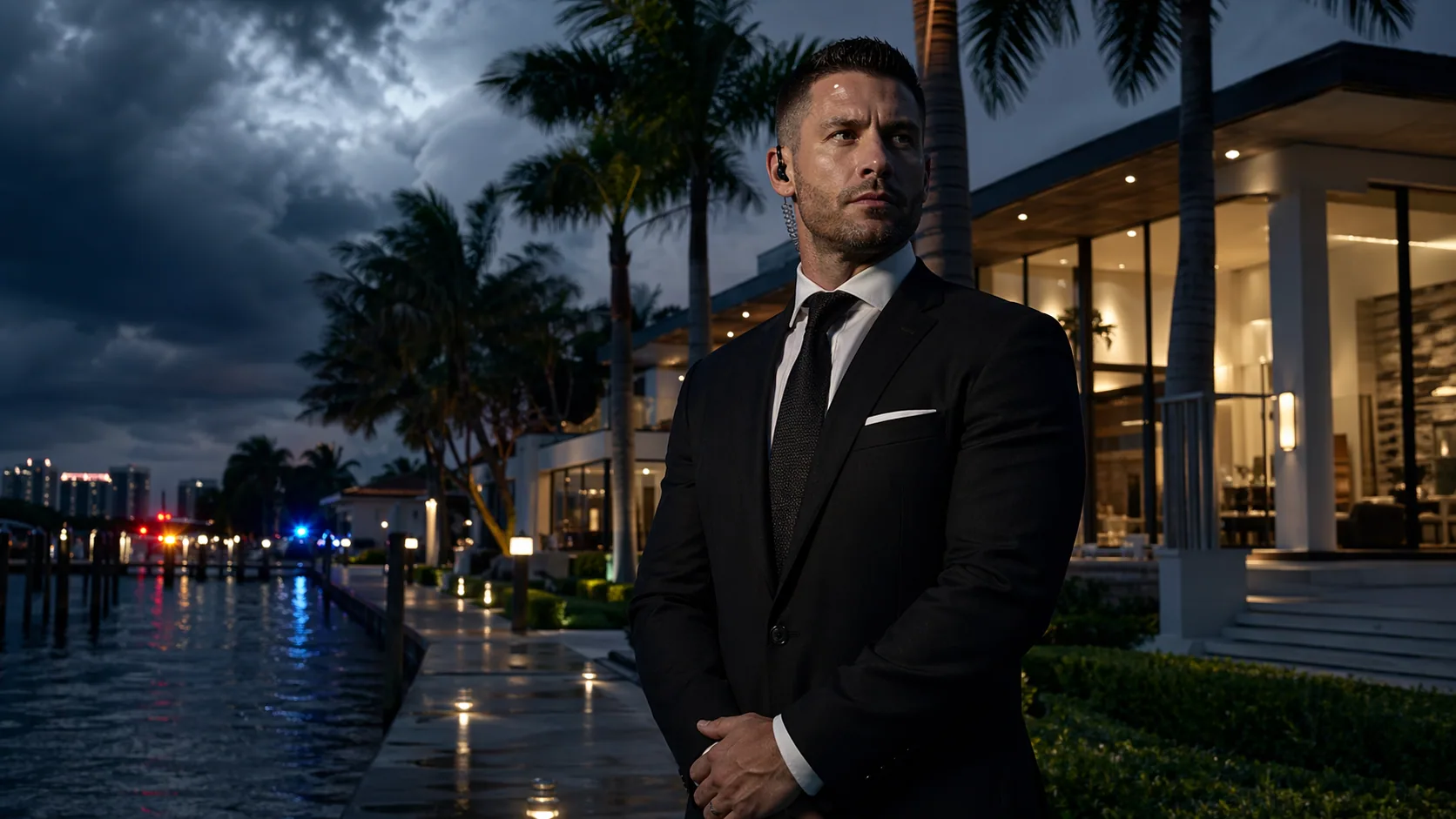
Space Coast EP has unique hurdles.Prep for launches.
Running EP on the Space Coast is a different game. The proximity to launch pads means schedules can shift without notice. Traffic patterns snarl quick on the causeways. You learn to scout alternate routes early or you lose the initiative. The tech crowd here brings its own set of profiles we track close. I compare notes with other practitioners who work the area regularly. We talk about how the combination of government contracts and private space firms creates a unique threat picture.
High profile visitors mix with heavy tourism here. Situational awareness stays dialed up all the time. Peers in the area always reference current Florida security rules before deploying teams from outside the region.
That kind of prep aligns with solid operational habits. It matches what we apply in executive protection when the environment changes by the hour. The goal stays the same. Protect the client without drawing extra eyes.
One move that pays off: Review next launch schedule and map alternate routes.